
Support Groups For Parents Of Drug Addicts
Table of Contents Seeking Drug Or Alcohol Detox? Sullivan Recovery is a leading drug and alcohol detox in Mission Viejo, California. Call Today! Clinically Reviewed By: Rachel Sweet | LMFT Support Groups for Parents of Drug Addicts Parents of children struggling with substance use disorder often feel lost, overwhelmed, and isolated. This blog explores support groups for parents of drug addicts, offering insight into how these communities help families cope with the challenges of addiction. Whether your child is actively using or in recovery, joining a group can provide clarity, strength, and tools for healing. These support groups serve as a valuable resource for navigating the emotional and practical impact of drug addiction on the entire family. Many also offer evidence-based strategies that help parents better understand the disease of addiction while protecting their own mental health. Understanding the Disease of Addiction Addiction is a chronic brain disease that changes how a person thinks, feels, and behaves. The disease of addiction can affect any family, regardless of background. Recognizing it as a medical issue helps families focus on treatment and recovery, not blame. Substance abuse disorder impacts not just the individual, but the entire family. Parents may struggle with guilt, anxiety, or enabling behaviors without realizing it. Support groups help shift this focus from shame to support. Why Support Groups Are a Valuable Resource Support groups for parents create a safe space where participants share stories, struggles, and solutions. These groups offer emotional relief, reduce isolation, and provide useful strategies to handle everyday challenges. They also help families understand that they are not alone in facing addiction. Parents gain key insights from others who have faced similar situations and found a way forward. Families Anonymous: Helping the Entire Family Heal Families Anonymous is a 12-step program focused on supporting relatives and friends of people with substance use challenges. This group operates similarly to Alcoholics Anonymous but focuses on the family’s recovery. It serves as a valuable resource for parents and loved ones dealing with a child’s substance use disorder. The program teaches evidence-based strategies to address addiction while prioritizing emotional stability and mental health. Families Anonymous acknowledges that drug addiction is a complex issue that impacts the entire family. Members learn how to detach with love, avoid enabling, and regain control of their lives while supporting their loved one’s recovery. It encourages participants to focus on their well-being, set boundaries, and stop enabling the addicted person. Meetings are free, open to all, and structured to protect anonymity and mutual respect. For many parents, joining Families Anonymous marks the first step in healing from the effects of addiction as a family disease. Al-Anon and Nar-Anon Family Groups Al-Anon Family Groups and Nar-Anon are two long-standing programs built on the 12-step model. Al-Anon helps families affected by alcohol addiction, while Nar-Anon focuses on drug addiction. Both groups provide a safe space for the adult family members of addicts to find support, encouragement, and understanding. These programs recognize addiction as a family disease and offer specific tools to support the healing of adult family members. Parents gain practical strategies to cope with their child’s substance abuse disorder and the emotional fallout it causes. The structure of these meetings helps reinforce positive habits and personal growth. Each meeting includes shared experiences and readings that promote recovery and self-care. Members often form a supportive network of friends of people facing similar struggles. For families in Orange County, these groups are a vital tool in coping with the ongoing effects of addiction and supporting long-term recovery. SMART Recovery and CRAFT: Evidence-Based Alternatives Some parents prefer support groups outside the 12-step format. Self-Management and Recovery Training (SMART) Recovery offers science-based strategies for managing addiction-related stress. SMART Family & Friends focuses on communication skills and positive reinforcement. The Community Reinforcement Approach & Family Training (CRAFT) is another evidence-based strategy. It teaches families how to influence a loved one’s behavior and improve their own mental health. Support Groups Help Address Addiction and Mental Illness Drug addiction often overlaps with mental illness, creating more complex challenges for families. Substance use disorder frequently co-occurs with conditions like anxiety, bipolar disorder, or PTSD, adding layers of difficulty to recovery. Parents may feel unprepared to handle depression, anxiety, or trauma tied to substance abuse. Support groups connect families with vital tools and resources to handle co-occurring disorders. These groups often include education on risk factors, effective coping methods, and communication techniques that reduce conflict and stress. With the help of peers and health care providers, families learn how to support recovery without sacrificing their own mental health. These groups can also help parents ask the right questions when working with health care providers. By addressing both the substance abuser’s needs and the family’s emotional well-being, support groups play a key role in long-term healing. Their focus on practical strategies makes them an essential part of managing the effects of addiction and mental illness within the family. Online Meetings and Family Forums Some parents cannot attend in-person meetings due to schedules or privacy concerns. Online support groups offer flexible access and confidentiality, serving as a valuable resource for those balancing work, caregiving, or transportation barriers. Virtual platforms remove obstacles, giving parents access to support groups that address addiction care from anywhere. Forums, webinars, and video calls allow parents to connect with others anytime. These online spaces serve as a safe space for open dialogue, offering peer advice, emotional support, and links to recovery resources. Participants can learn from other families of addicts, gain key insights, and stay engaged with tools for parents no matter where they live. Online options can be especially helpful for families in rural areas or those dealing with stigma. Websites for Families Anonymous, Al-Anon, and SMART Recovery provide easy access to digital meetings. These platforms help extend evidence-based strategies and family engagement opportunities to a wider community of advocates working to address substance use challenges across the country. The Role of Family Support in Addiction Recovery Family involvement is
What’s A 10 Panel Drug Test
Table of Contents Seeking Drug Or Alcohol Detox? Sullivan Recovery is a leading drug and alcohol detox in Mission Viejo, California. Call Today! Clinically Reviewed By: Rachel Sweet | LMFT What’s a 10-Panel Drug Test? Understanding This Common Screening Tool A 10-panel drug test is a type of urine screening used to detect the presence of ten specific drugs in the body. It plays a vital role in workplace testing, medical assessments, legal investigations, and drug treatment programs. At Sullivan Recovery in Mission Viejo, we often use 10-panel drug tests as part of our outpatient monitoring process to ensure accountability during recovery. What Is a 10-Panel Drug Test? A 10-panel drug test screens for ten common prescription and illegal substances. The test is typically administered using a urine sample. This makes it a practical option for both clinical and non-clinical settings, including addiction recovery programs. What Does a 10-Panel Drug Test Screen For? This test checks for a mix of prescription medications and illegal drugs that are commonly abused. These include: Amphetamines Barbiturates Benzodiazepines Cocaine Marijuana (THC) Methadone Methaqualone Opiates Phencyclidine (PCP) Propoxyphene Sullivan Recovery uses this panel to monitor drug use in individuals enrolled in our outpatient drug and alcohol treatment program. Regular testing helps identify relapse early and supports long-term sobriety. How Urine Sample Collection Works Urine is the most common sample type for drug testing due to its ease of collection and quick turnaround time. The collection process is non-invasive and provides accurate detection for recent drug usage. A standard test requires the individual to provide a midstream urine sample, typically 30–60 mL, in a sterile cup. At Sullivan Recovery, urine testing is conducted in a private and supervised setting to ensure valid results. Supervision prevents sample tampering, while temperature strips and lab verification confirm authenticity. This process helps maintain the integrity of results used in our outpatient drug and alcohol treatment program. Who Uses a 10-Panel Drug Test? A wide range of employers, healthcare providers, and treatment centers use 10-panel tests. It is especially common in: Workplace drug testing Court-mandated testing Medical review situations Rehabilitation centers Private employers may use it as part of pre-employment screening, random testing, or return-to-duty policies. Legal systems often require it for individuals on probation or involved in custody cases. Physicians may also use the test to evaluate possible drug interactions or substance misuse. Our team at Sullivan Recovery uses these tests as a tool to support individuals through structured outpatient treatment while maintaining accountability. Drug testing helps track progress, reinforce abstinence, and guide necessary changes in care when relapse indicators appear. 10-Panel Drug Test vs. 5-Panel Drug Test A 5-panel drug test is a simpler version that only checks for five drug types, often focused on illicit drugs. In contrast, the 10-panel test offers a broader detection range that includes more prescription medications. This makes the 10-panel option ideal for recovery programs where prescription drug misuse may be a concern. Detection Times for Substances Different drugs remain in the urine for varying lengths of time. On average: THC: up to 30 days Cocaine: 2–4 days Opiates: 2–3 days Benzodiazepines: several days to weeks Methadone: 2–7 days These detection windows can vary based on metabolism, frequency of use, and other personal health factors. At Sullivan Recovery, understanding detection times helps us interpret results more accurately within the context of each client’s recovery plan. How Long Does It Take To Get Results? Most standard 10-panel drug tests deliver results within 1–3 business days. Negative results often come back faster, sometimes within 24 hours, especially if no further review is needed. Lab-confirmed results go through an internal quality check before release. If further analysis or Medical Review Officer (MRO) consultation is needed, it may take additional time. This applies when test results are inconclusive or positive and need verification. Delays may also occur if confirmatory testing such as GC/MS (gas chromatography/mass spectrometry) is required. At Sullivan Recovery, we prioritize fast and accurate testing to support active decision-making during outpatient treatment. Timely results help our clinical team adjust care plans and address concerns without delay. What Happens If a Test Is Positive? A positive drug test indicates the presence of one or more substances above the testing threshold. These thresholds are set to avoid false results from trace exposure or passive contact. The presence of a drug metabolite in the urine typically confirms recent use. In many cases, the result is sent to a Medical Review Officer for evaluation. The MRO contacts the individual to determine whether a legitimate medical explanation, such as a valid prescription, can justify the result. The MRO may request documentation or pharmacy records to complete the review. In our outpatient setting, we use positive tests to address potential relapse, revisit treatment goals, and adjust the care plan as needed. Our focus is always on accountability and providing additional support when necessary to help clients regain stability. Can You Get a False Positive? Yes, false positives can occur due to medications, food products, or supplements. Examples include: Certain cold medications mimicking amphetamines Poppy seeds triggering opiate results Prescription anxiety medications showing up as benzodiazepines Other substances like antidepressants, antibiotics, or even some over-the-counter pain relievers may also interfere with test results. For this reason, clients should always disclose any medications or supplements they’re taking prior to testing. That’s why we use MRO review at Sullivan Recovery when necessary, ensuring that clients are treated fairly and accurately based on their test results. This step helps distinguish between legitimate use and potential misuse, promoting a supportive and transparent treatment environment. Why Urine Testing Is Preferred Urine testing remains the most popular method due to its speed, cost-effectiveness, and ability to detect recent use. Other methods like hair samples or blood samples may provide longer or more precise detection, but they are often more invasive and expensive. Sullivan Recovery continues to rely on urine drug testing because it balances accuracy with efficiency, making it ideal for outpatient monitoring. Is Alcohol Included in
Childhood Trauma Questionnaire

Table of Contents Seeking Drug Or Alcohol Detox? Sullivan Recovery is a leading drug and alcohol detox in Mission Viejo, California. Call Today! Clinically Reviewed By: Rachel Sweet | LMFT Childhood Trauma Questionnaire: A Tool to Uncover Early Adverse Experiences The Childhood Trauma Questionnaire is a validated retrospective measure used to identify traumatic events during early life. This tool focuses on five types of abuse and neglect: emotional abuse, physical abuse, sexual abuse, emotional neglect, and physical neglect. At Sullivan Recovery in Mission Viejo, we use this questionnaire to understand how early trauma may contribute to substance use disorders and mental health conditions in adulthood. What Is the Childhood Trauma Questionnaire? The Childhood Trauma Questionnaire (CTQ) is a widely used screening version developed by Bernstein & Fink. It offers a standardized way to assess adverse childhood experiences through self-report. This tool is especially useful in clinical practice for identifying underlying trauma that may influence treatment planning. Originally introduced as a longer scale, it was later refined to improve practicality in clinical and research settings without sacrificing reliability or validity. The CTQ assesses a broad range of childhood traumas including physical abuse, sexual abuse, and emotional neglect. Its ability to detect trauma exposure even in individuals who may not openly disclose their experiences makes it an essential asset in trauma-informed care at Sullivan Recovery. The CTQ-Short Form: A Brief Yet Reliable Measure The Childhood Trauma Questionnaire-Short Form (CTQ-SF) consists of 28 items covering the five trauma domains. It has been validated across a variety of samples, including clinical sample groups and community sample populations. CTQ-SF scores help clinicians at Sullivan Recovery better assess trauma levels and personalize outpatient treatment. Its psychometric properties, such as internal consistency and confirmatory factor analysis, have proven stable across age groups and cultures. Versions of the CTQ-SF have been successfully applied in Dutch, Chinese, Brazilian, and Nigerian samples, confirming its cross-cultural reliability. The brief format of the CTQ-SF makes it suitable for high-risk groups, such as individuals struggling with substance use disorders, who may benefit from a less time-consuming screening process. Measuring Emotional Abuse and Emotional Neglect Emotional abuse refers to verbal assaults, humiliation, and psychological manipulation by caregivers. Emotional neglect, on the other hand, involves a lack of emotional support, love, or protection. These experiences in childhood are linked to long-term mental health issues and higher substance use risk. Studies have shown that both emotional abuse and neglect are strongly correlated with depression, anxiety, and low self-esteem in adulthood. These traumas often go unnoticed because they leave no physical marks, yet they can be just as damaging as physical harm. At Sullivan Recovery, recognizing these subtle but impactful forms of trauma allows us to deliver targeted therapies that address both emotional wounds and substance-related behaviors. Identifying Physical Abuse and Physical Neglect Physical abuse includes deliberate harm such as hitting or burning. Physical neglect means failing to meet a child’s basic physical needs, like food, shelter, and hygiene. Sullivan Recovery uses the CTQ to recognize these trauma types and understand how they relate to client behavior and recovery outcomes. The Impact of Sexual Abuse Sexual abuse involves unwanted sexual contact or exposure during childhood. It is one of the most harmful trauma types associated with later mental disorders and substance use disorders. Screening for sexual abuse using the CTQ helps us determine whether trauma-focused therapy is appropriate. Psychometric Properties of the CTQ The CTQ demonstrates strong psychometric properties across studies. These include internal consistency, structural validity, and confirmatory factor analysis. These features make it reliable for use in both research and clinical settings like ours at Sullivan Recovery. Its internal consistency ensures that responses across subscales remain stable, even when used in different settings or populations. Additionally, its low measurement error and favorable intraclass correlation ratings confirm its accuracy over time. These strengths support its application as a standard trauma screening tool for clients entering outpatient programs. Convergent, Criterion, and Discriminant Validity The CTQ shows strong convergent validity with other trauma scales, high criterion validity in predicting psychiatric symptoms, and clear discriminant validity among different trauma types. This makes the tool highly accurate in distinguishing between various adverse experiences. Its known-groups validity also allows it to differentiate between clinical and non-clinical groups, adding value in treatment planning. The CTQ has shown strong predictive value for conditions like PTSD, bipolar disorder, and substance use disorders. These validation points reinforce its clinical utility for trauma assessment at Sullivan Recovery. Factor Structure and Measurement Invariance Studies support a stable five-factor structure for the CTQ, aligning with its five subscales. Measurement invariance across gender and cultural backgrounds—such as in Brazilian samples, Swedish version, German version, and Chinese version—proves the tool’s global applicability. These findings confirm that the CTQ measures trauma consistently regardless of cultural context or demographic differences. It also demonstrates wide usability across a variety of samples, including adolescents, psychiatric inpatients, and high-risk community groups. At Sullivan Recovery, this structural reliability ensures that all clients are evaluated with equal accuracy, regardless of their background. Multilingual Versions for Diverse Populations The CTQ has been translated and validated for multiple cultures, including the Dutch Childhood Trauma Questionnaire-Short Form and the Norwegian version. This allows clinicians to use it in multicultural settings, such as Orange County’s diverse population near Sullivan Recovery. Clinical Utility for High-Risk Groups The CTQ is particularly effective in high-risk groups, including psychiatric inpatients and adolescents in conflict. At Sullivan Recovery, it helps uncover trauma in individuals dealing with drug or alcohol misuse who might not initially disclose past experiences. Use in Adolescent and Adult Mental Health CTQ-SF scores help reveal links between trauma and mental health outcomes in both adults and youth. Research connects childhood trauma to bipolar disorder, depression, anxiety, and health among adolescents. These links inform the therapy offered in our outpatient programs. Association With Substance Use Disorders Traumatic events in childhood, especially sexual or emotional abuse, are known to increase the risk of substance use disorders. The CTQ allows Sullivan Recovery to assess these
How Long Does Heroin Stay In The Body
Table of Contents Seeking Drug Or Alcohol Detox? Sullivan Recovery is a leading drug and alcohol detox in Mission Viejo, California. Call Today! Clinically Reviewed By: Rachel Sweet | LMFT How Long Does Heroin Stay In The Body? Heroin is a dangerous drug with a rapid onset and short half-life. Understanding how long heroin stays in the body helps people recognize the urgency of treatment and the need for professional help. Drug tests like urine tests, blood tests, and hair tests can detect heroin over different periods of time depending on various individual factors. What Is Heroin and Why Is It Addictive? Heroin is an illicit opioid made from the poppy plant. It belongs to a group of addictive substances that cause intense euphoria followed by sedation. Due to its addictive nature, heroin use disorder can develop quickly with repeated use. Heroin hijacks the brain’s reward system, which increases the risk of addiction. Over time, people need more heroin to feel the same effects, raising the risk of overdose. Many people start using heroin after misusing prescription opioids. This transition often happens when access to opioid drugs becomes limited or expensive. As heroin is cheaper and more accessible on the street, it becomes a substitute with far greater health risks. Time Heroin Stays in the Body: Key Factors The time heroin stays in the body depends on the metabolism rate, body fat, body size, and hydration levels. Other factors include age, medical conditions, kidney health, and whether someone is a chronic user. Faster metabolism leads to shorter detection windows, but heroin’s half-life remains relatively short. The average half-life of heroin is 30 minutes. However, its main metabolite, morphine, can linger longer in bodily fluids, especially in urine and saliva. How Long Can Heroin Be Detected? Heroin detection times vary based on the types of drug tests used. Urine testing is the most common method and can detect heroin use for 1 to 4 days. Blood tests detect heroin for only 5 to 6 hours after use, while saliva tests show heroin for up to 24 hours. Hair follicle tests offer the longest detection window. Heroin can be found in hair follicles for up to 90 days after last use. This makes hair tests useful in identifying long-term heroin users. Each test varies in sensitivity and reliability, and results may be influenced by factors like frequency of use and dosage. For chronic users or those with slower metabolism, heroin and its metabolites may remain detectable even longer than the average range. Understanding these timelines is important when evaluating recent or past heroin use in a treatment or testing setting. Individual Factors That Affect Detection Times Detection times are influenced by individual factors such as body mass, hydration levels, metabolic rate, and existing medical conditions. Kidney disease or liver issues can slow heroin clearance. Chronic users tend to store more heroin byproducts in body fat, extending detection time. A larger body size may dilute heroin metabolites more quickly, but this isn’t always the case. Overall, the detection period of time can range from hours to months based on these variables. Urine Tests for Heroin: The Standard Method Urine tests are the most widely used for identifying recent heroin use. Heroin in urine typically shows up within 2 hours and can stay detectable for 2 to 3 days. For chronic users, detection may extend up to a week. Urine testing is non-invasive and cost-effective. It detects morphine, the key metabolite of heroin, which provides reliable results even after heroin’s half-life ends. Blood Tests for Short-Term Detection Blood tests are less common but offer precise results. They are often used in emergency situations or by medical professionals monitoring a patient’s health status. Heroin in the bloodstream disappears within a few hours due to its fast metabolism. Despite the short detection window, blood tests can confirm recent heroin use. These tests are useful for evaluating heart rate, signs of overdose, or interactions with other opioid drugs. They can also help assess medical conditions related to heroin use, such as kidney disease or liver strain, during the early stages of treatment. Saliva Tests: Quick and Convenient Saliva tests provide fast results and are easy to administer. Heroin can be detected in saliva within 30 minutes of use and remains for up to 24 hours. Saliva testing is growing in popularity due to its simplicity. However, the shorter detection period makes saliva tests less useful for tracking long-term or past heroin use. They are often used in roadside or workplace testing situations. Saliva tests are non-invasive and can be helpful during early intervention or routine screening in outpatient settings like Sullivan Recovery. Hair Tests: Long-Term Heroin Detection Hair follicle tests are used to detect heroin over an extended period. Heroin can be found in hair for up to 90 days, making it useful for identifying chronic users. These tests examine hair follicles for drug traces embedded as the hair grows. The results of hair tests depend on hair length and cleanliness. Hair tests are less affected by hydration levels, body size, or metabolic rate compared to urine tests or blood tests. Heroin and Body Composition Heroin stays longer in people with higher body fat. That’s because heroin metabolites bind to fatty tissue, which slows elimination. Body mass and body size also affect how quickly the body processes drugs. A person with a faster metabolism will eliminate heroin more quickly. However, chronic users or people with a slower metabolism may retain heroin longer, increasing detection windows and withdrawal symptoms. Hydration levels also influence how fast heroin is flushed out of the body, making water intake a small but notable factor in elimination speed. The Role of Medical Conditions Certain medical conditions can delay heroin elimination. Kidney disease reduces the body’s ability to clear morphine, extending heroin’s presence in bodily fluids. Liver issues may also impair drug breakdown. People with chronic health risks face greater danger during detox and should seek medical detox. At Sullivan Recovery, our outpatient
How Long Does It Take To Detox From Drugs
Table of Contents Seeking Drug Or Alcohol Detox? Sullivan Recovery is a leading drug and alcohol detox in Mission Viejo, California. Call Today! Clinically Reviewed By: Rachel Sweet | LMFT How Long Does It Take To Detox From Drugs? How long does it take to detox from drugs? This question comes up often from people dealing with substance use disorder or supporting someone through it. The answer depends on several factors like the type of drugs, the duration of use, and a person’s medical history. What Is Drug Detox? Drug detox is the initial phase of addiction treatment. The detoxification process clears harmful substances from the body to reduce physical dependence and prepare the brain for recovery. It helps stabilize vital functions while managing early symptoms of withdrawal. Detox is not the same for everyone. The detox process varies based on physical health, substance use patterns, and whether professional care is used. Some may experience only mild discomfort, while others require medical intervention for severe symptoms. Sullivan Recovery offers outpatient detox programs supervised by medical professionals for those seeking flexible yet effective care in Orange County. What Influences Detox Time? The detox period depends on multiple factors. The type of drugs used, frequency, and severity of addiction all matter. Long-term use or mixing multiple substances can extend the withdrawal period and increase the risk of complications. A person’s age, weight, and underlying medical conditions can also affect how long detox lasts. Mental health conditions and past trauma may influence psychological symptoms during withdrawal. Those with severe addictions or co-occurring conditions may need a longer detox period. Medical professionals assess these factors before starting any detox program to reduce the risk of severe withdrawal symptoms and ensure a safe detox timeline. Typical Detox Timeline by Drug Type Detox timelines differ by drug. Here’s a general idea of how long withdrawal symptoms may last: Alcohol detox: Initial symptoms may start within 6 hours and peak around 72 hours. Acute alcohol withdrawal can last up to a week. Opioid detox: Symptoms of withdrawal can begin within 8-24 hours for short-acting opioids. Opioid withdrawal symptoms often peak within 3 days and fade within a week. Benzo withdrawal: Benzo detox may last 2–4 weeks, with some symptoms persisting longer. Cocaine withdrawal: Cocaine withdrawal usually lasts 7–10 days. Prescription painkillers and illicit drugs: Detox time varies widely depending on the specific drug and level of physical dependence. Early Withdrawal Symptoms The first signs of withdrawal are often physical. Initial symptoms include sweating, nausea, runny nose, and frequent yawning. These symptoms appear within hours of stopping the drug and signal the body’s reaction to the absence of the harmful substance. Some withdrawal symptoms can worsen quickly. Painful withdrawal symptoms like body aches, chills, shaking, and restlessness may begin during this initial phase. People may also experience irritability or anxiety as part of early psychological symptoms. Medical intervention may be required to reduce discomfort and avoid complications, especially in cases of alcohol withdrawal or opioid detox. Physical and Psychological Symptoms of Withdrawal Withdrawal comes with both physical and mental symptoms. Physical withdrawal symptoms may include vomiting, diarrhea, chills, and headaches. Psychological symptoms often include anxiety, irritability, and depression. In severe withdrawals, dangerous withdrawal symptoms like hallucinations or seizures may occur. These cases often require medical detox under the care of mental health professionals and a trained medical team. What Makes Withdrawal Severe? The severity of withdrawal symptoms depends on the type of drug, how long it was used, and the dosage. Individuals with a long history of drug abuse face more severe symptoms. Those using multiple substances may also experience intense withdrawal symptoms. Alcohol withdrawal symptoms can become life-threatening if not treated properly. Severe symptoms like delirium tremens require immediate medical care. That’s why a medically-supervised detox is recommended for people at high risk. Medical Detox vs. At-Home Detox Medical detox is safer and more effective than detoxing at home. Medical professionals monitor vital signs and manage severe withdrawal symptoms. They may use medication-assisted treatment to reduce drug cravings and stabilize the body. At-home detox carries a higher risk of complications. Without professional care, symptoms can escalate quickly. Outpatient detox programs at Sullivan Recovery allow clients to stay safe while living at home, with ongoing medical support. The Role of Detox Programs A detox program offers structured care during the withdrawal process. Programs range from inpatient detox to outpatient detox, each designed to address different levels of medical and emotional support. Both aim to reduce the severity of withdrawal symptoms and improve safety during the detox period. Inpatient detox provides 24/7 care in a rehab facility. This setting is best for individuals with severe withdrawal symptoms, a history of relapse, or co-occurring mental health conditions. Outpatient options offer flexibility with regular check-ins, ideal for those with stable living environments and less severe symptoms. Both programs help clients manage the detox time while preparing for substance use treatment and the longer recovery process that follows Medical History and Detox A person’s medical history plays a key role in the detox process. Conditions like diabetes, high blood pressure, or mental illness can complicate withdrawal. Medical professionals must evaluate these factors to avoid health risks. Those with complex medical backgrounds may need a longer withdrawal period. A customized detox timeline improves safety and increases the chance of a successful recovery. Managing Drug Cravings Intense drug cravings are common during detox. They can be physical or psychological and often peak during the early withdrawal period. These cravings are a major trigger for relapse if not properly managed. Medication-assisted treatment helps reduce cravings and improve comfort. Medications may target opioid receptors, reduce anxiety, or ease physical symptoms. Behavioral therapies also help address the mental side of cravings and build coping skills. Sullivan Recovery uses evidence-based methods to manage intense withdrawal symptoms and cravings. Our treatment center in Mission Viejo ensures every client gets the support needed for lasting sobriety through a combination of medical care, counseling, and ongoing monitoring during the detox
What Is The Number One Drug Used By Teens

Table of Contents Seeking Drug Or Alcohol Detox? Sullivan Recovery is a leading drug and alcohol detox in Mission Viejo, California. Call Today! Clinically Reviewed By: Rachel Sweet | LMFT What Is The Number One Drug Used By Teens? Teen drug abuse remains a major public health issue in the United States. What is the number one drug used by teens? According to the National Institute on Drug Abuse, alcohol is the most commonly used substance by adolescents, followed closely by marijuana, especially in the form of recreational marijuana and synthetic marijuana. Understanding which drugs are most commonly abused by teens helps identify early signs of drug use and offer proper intervention. At Sullivan Recovery in Mission Viejo, we help teens and young adults facing substance use disorder through evidence-based outpatient treatment programs. Alcohol: The Most Commonly Abused Drug Among Teens Alcohol is the leading drug of choice among teenagers in the U.S. According to national surveys of 8th graders, 10th graders, and 12th graders, alcohol use begins early and increases with age. This early exposure increases the risk of alcohol abuse, alcohol use disorder, and long-term health problems such as liver damage, mental health issues, and poor academic performance. Frequent drinking during adolescence can impair the adolescent brain, especially areas involved in judgment, memory, and impulse control. It also disrupts emotional development and increases vulnerability to substance use disorder later in life. Alcohol use may also trigger or worsen existing mental health disorders, including depression and anxiety. Many teens use alcohol to cope with academic pressure, peer pressure, or emotional pain stemming from personal or family history of substance abuse. This coping strategy is harmful and often leads to increased risk-taking, violent behavior, and risky decision-making. Without professional treatment, patterns of underage drinking can continue into adulthood, leading to long-term dependence. Marijuana Is the Most Common Illicit Drug Used By Teens While alcohol is legal for adults, marijuana is the top illicit drug used by teens. This includes both recreational marijuana and synthetic marijuana products. These substances can have serious effects on the teenage brain, disrupting learning, attention span, and emotional regulation. Data shows a significant increase in marijuana use among 12th grade students, especially in states with legal recreational sales. Many teens falsely believe marijuana is safe, unaware of the long-term effects like mental health issues, poor academic performance, and cannabis use disorder. Why Teens Turn to Substances Several risk factors influence teen drug abuse. These include family history of addiction, trauma, mental health disorders, and peer pressure. Teens may use drugs to boost athletic performance, ease physical pain, or escape from emotional struggles. Easy availability of drugs through social media, parties, and friends also plays a major role. Private schools and suburban neighborhoods aren’t immune to this issue—school students across all backgrounds face pressure and exposure. Prescription Medications Are Often Misused by Teens Many teens misuse prescription medications thinking they are safer than street drugs. Commonly misused types include prescription pain medications, stimulant drugs for ADHD, and anti-anxiety pills. These are often taken without a doctor’s prescription. Misuse of prescription drug types can lead to severe side effects, substance abuse issues, and even fatal overdose deaths. The rise in prescription drug misuse highlights the need for medical professionals and parents to closely monitor medications at home. Synthetic Marijuana: A Dangerous Trend Synthetic marijuana is one of the most dangerous abused drugs among teens. Marketed under names like K2 or Spice, it is often mislabeled as safe or natural. In reality, it contains toxic chemicals that can cause violent behavior, chest pain, seizures, and even death. Unlike natural cannabis, synthetic versions are unregulated and unpredictable. These illicit substances are often easy for teens to get and can be more harmful than traditional illegal drug options. How Drug Use Affects Teen Lives Drug use impacts every part of a teen’s life—from academic performance to mental health and physical health. It can cause mood swings, secretive behavior, and problems with concentration. Teens using substances may also experience dilated pupils, changes in body temperature, and erratic behavior. Drug use often leads to isolation from family and friends. In many cases, it opens the door to violent behavior, legal trouble, and future substance use disorder in adulthood. Drug Use and Mental Health Teen drug use is closely tied to mental health issues. Many adolescents self-medicate to deal with anxiety, depression, or trauma. But this can worsen existing symptoms or trigger new mental health problems. Early drug use can permanently alter brain development, especially during critical periods of adolescence. This creates lifelong challenges with impulse control, stress management, and emotional regulation. Peer Pressure Plays a Major Role Peer pressure is one of the top reasons teens start using drugs. Many teens feel they must conform to group behaviors to gain social approval. This is especially true during high school years, including 10th grade students and 12th grade students. Teens who lack strong parental support or positive role models are more likely to give in to peer influence. Prevention strategies need to target these social dynamics before substance use begins. The Role of Family History A teen’s family history can increase the likelihood of developing a substance use disorder. Children of parents with alcohol use disorder or drug addiction are more likely to experiment with drugs themselves. Genetics, combined with environmental exposure, creates a high-risk environment. Families play a vital role in prevention. Talking openly about addiction, maintaining boundaries, and modeling healthy coping strategies can help reduce risk. How to Identify Signs of Drug Use in Teens Look for behavioral and physical signs of drug use, such as sudden mood swings, withdrawal from family, or missing school. Physical signs can include red eyes, weight changes, and changes in body temperature or blood pressure. Many teens will deny using drugs. That’s why it’s important for parents and teachers to stay observant and maintain open communication. Early action is the key to recovery. The Dangers of Polydrug Use Many teens don’t stick to a single
How Long Do Opiods Stay In Your System
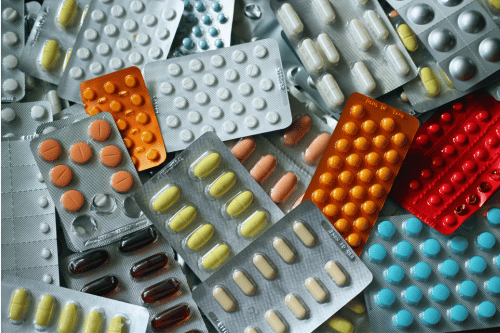
Table of Contents Seeking Drug Or Alcohol Detox? Sullivan Recovery is a leading drug and alcohol detox in Mission Viejo, California. Call Today! Clinically Reviewed By: Rachel Sweet | LMFT How Long Do Opioids Stay In Your System? Opioids are a class of drugs used to treat pain. They affect the brain and spinal cord to block the transmission of pain signals. These drugs range from natural opioids derived from the opium poppy plant to fully synthetic opioid compounds. How long do opioids stay in your system? Read below to find out. Common Opioids and Their Purpose Common opioids include morphine, oxycodone, hydrocodone, and fentanyl. These medications are used to manage both acute pain and chronic pain. Some are prescribed after surgery or injury, while others are used long-term for severe pain or chronic medical conditions. Fentanyl, a synthetic opioid, is especially potent and often used for breakthrough cancer pain. Hydrocodone and oxycodone are commonly prescribed in pill form for moderate to severe pain. While effective pain relievers, these drugs also carry a high potential for abuse and dependence when misused. Types of Opioids: Natural, Semi-Synthetic, and Synthetic Natural opioids are directly derived from the poppy plant and include compounds like morphine and codeine. Semi-synthetic opioids, such as oxycodone and hydromorphone, are created by chemically modifying natural opioids to enhance their effectiveness or absorption. Fully synthetic opioids like fentanyl and methadone are entirely man-made and have a higher potency, increasing their risk of overdose. Each type of opioid falls under the umbrella term “opioid drugs,” but they differ in strength, duration, and method of administration. The type of opioid used affects how long it stays in the body and its potential risks. Understanding these categories is essential for making safe decisions about opioid use and treatment. How Opioids Work in the Body Opioids bind to receptors in the brain and spinal cord that regulate pain and emotion. This action blocks the transmission of pain signals and reduces the perception of pain. In addition, opioids can trigger feelings of euphoria by influencing reward pathways in the brain. This sense of euphoria contributes to the addictive nature of opioids and increases the potential for abuse. Long-term use alters the brain’s chemistry, making it harder for users to feel normal without the drug. At Sullivan Recovery, we treat both the physical and mental effects of opioid abuse through evidence-based outpatient rehab. Factors Affecting the Duration of Opioids in Your System Several individual factors influence how long opioids stay in your system. These include individual metabolism, body weight, fat percentage, and body composition. Other influences include kidney function, liver disease, and nutritional status. Method of Administration and Its Role The method of administration impacts the drug’s half-life. For example, opioids taken in pill form are metabolized differently than those injected. Fast-acting opioids leave the system quicker, while long-acting opioids remain longer. Short-Acting vs Long-Acting Opioids Short-acting opioids provide quick relief for severe pain but have shorter detection windows. Long-acting opioids are prescribed for chronic opioid users needing extended pain control. The time opioids stay in your body depends on the type of opioid used. Opioid Dose and Duration of Use Higher doses increase the presence of opioids in your system and extend the time frame for detection. Long-term use leads to the accumulation of drug metabolites in fat tissues, especially for synthetic and long-acting opioids. This accumulation can slow the elimination of opioids, making them traceable for longer periods of time. Extended periods of use also raise the risk of opioid dependence and more severe opioid withdrawal symptoms during cessation. The amount and frequency of opioid use directly affect how the body processes and stores these substances. At Sullivan Recovery, we help clients safely reduce opioid use through monitored medical detox and individualized treatment planning. Detection Windows: How Long Opioids Can Be Found The duration opioids can be detected depends on several factors, including the type of opioid and the testing method used. Urine tests, blood tests, saliva tests, and hair tests are common tools for detecting opioid use. Each method offers a different detection window, with urine testing detecting use within a few days, and hair tests detecting use up to 90 days. Metabolism of opioids also affects how long they stay detectable. Factors like body fat, individual metabolism, and medical conditions can influence these time frames. Understanding these detection windows is essential for treatment programs, drug testing, and healthcare provider assessments. Urine Tests for Opioids Urine testing is the most widely used method for detecting opioid drugs. Most opioids can be detected in urine for 1 to 4 days after use. However, chronic use can extend detection time in urine drug tests. Blood Tests and Detection Time Blood tests can detect the level of opioids in the bloodstream. These tests have a shorter detection window—usually just hours to a day. Blood testing is more accurate for determining recent use and presence of opioids. Saliva Tests and Their Use Saliva tests are non-invasive and easy to administer. They can detect opioids within a few hours of use and up to 2 days after. Saliva testing is commonly used in workplace drug testing and medical detox programs. Hair Tests: The Longest Detection Window Hair tests can detect opioid use for up to 90 days. A hair sample captures drug metabolites that remain in hair follicles for extended periods. This method is useful for detecting long-term patterns of opioid abuse. Individual Metabolism and Opioid Elimination Faster metabolisms process and eliminate opioids quicker. Slower metabolisms result in longer detection times. Genetic factors, age, and medical conditions also impact opioid metabolism and elimination. Medical History and Underlying Conditions Your medical history can alter how your body handles opioids. Medical conditions like liver disease or kidney damage slow the metabolism of opioids. Always disclose these conditions to your healthcare provider. Body Composition and Fat Storage Opioids are fat-soluble and can be stored in body fat. People with higher body fat percentages may retain opioids longer.
Fentanyl Withdrawal Timeline
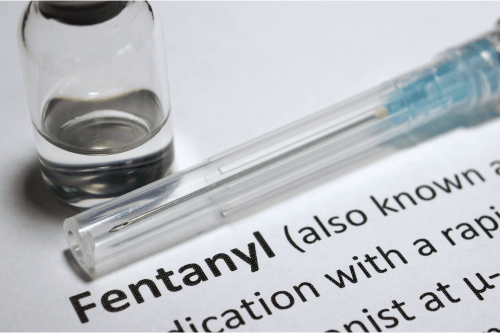
Table of Contents Seeking Drug Or Alcohol Detox? Sullivan Recovery is a leading drug and alcohol detox in Mission Viejo, California. Call Today! Clinically Reviewed By: Rachel Sweet | LMFT Fentanyl Withdrawal Timeline Fentanyl is a powerful synthetic opioid with a high potential for addiction and dependence. Due to its rapid onset and short half-life, withdrawal from fentanyl can be intense. Understanding the fentanyl withdrawal timeline helps prepare individuals for the symptoms and the need for medical support during this critical phase of recovery. What Is Fentanyl Withdrawal? Fentanyl withdrawal occurs when a person who is physically dependent on fentanyl stops using it. The body reacts to the absence of the drug, resulting in a range of physical and psychological symptoms. These symptoms often resemble those of other opioid withdrawal syndromes but may appear faster and with greater intensity due to fentanyl’s potency. Why Does Fentanyl Cause Withdrawal? Frequent fentanyl use leads to physical dependence as the body adapts to the presence of the drug. When use stops, the brain struggles to balance itself, causing opioid withdrawal symptoms. The severity of withdrawal symptoms often depends on the dosage, length of use, and the presence of other synthetic opioids in the system. Timeline of Fentanyl Withdrawal 6 to 12 Hours: Onset of Withdrawal Symptoms Fentanyl is a short-acting opioid, so withdrawal symptoms can begin as soon as six hours after the last dose. Early signs often include runny nose, yawning, anxiety, and restlessness. Individuals may also notice dilated pupils and an increased heart rate during this initial stage of withdrawal. 1 to 3 Days: Peak Withdrawal Symptoms The first 72 hours bring the most acute withdrawal symptoms. People often experience muscle aches, bone pain, abdominal cramps, and severe pain. Psychological symptoms like depression, irritability, and anxiety also worsen, making this the most difficult stage of withdrawal from fentanyl. 4 to 7 Days: Gradual Symptom Decline After the peak, many physical symptoms begin to ease, although stomach cramps, sweating, and fatigue may linger. Psychological symptoms of opioid withdrawal can persist longer and may require behavioral therapy. Cravings can remain strong, emphasizing the need for a structured treatment plan. 1 to 2 Weeks: Post-Acute Symptoms While many symptoms subside after one week, some may continue experiencing insomnia, mood swings, and lingering fatigue. This stage of withdrawal highlights the importance of long-term recovery strategies. Working with a medical professional during this phase can help reduce the risk of relapse. Factors That Affect the Duration of Fentanyl Withdrawal Several factors impact the duration of fentanyl withdrawal symptoms, including individual metabolism and history of opioid use disorders. Whether someone used prescription opioids or illicit fentanyl also matters. People with chronic pain or co-occurring mental health issues may experience longer and more severe withdrawal periods. Common Symptoms of Fentanyl Withdrawal Physical Symptoms Fentanyl withdrawal symptoms include muscle aches, runny nose, abdominal cramps, and bone pain. Additional physical symptoms like dilated pupils, chills, and increased heart rate are also common. These uncomfortable withdrawal symptoms are signs the body is adjusting to the absence of the drug. Psychological Symptoms Psychological symptoms may include anxiety, depression, and irritability. Some individuals may also struggle with insomnia or intense cravings. These psychological effects are just as challenging as physical ones and require medical treatments and counseling support. Medical Supervision During Withdrawal Fentanyl detox should take place under medical supervision. Withdrawal can lead to severe symptoms, and attempting detox alone increases the risk of complications. Medical professionals monitor the heart rate, treat abdominal cramps, and help manage severe withdrawal symptoms safely. The Role of Medical Detox Medical detox helps manage opioid withdrawal symptoms and reduces health risks. Facilities like Sullivan Recovery in Mission Viejo provide medical detox and 24/7 care. Detox is the first step toward recovery and helps ensure individuals are stable enough to begin long-term treatment. Medication-Assisted Treatments (MAT) MAT uses medications such as opioid agonists to reduce cravings and withdrawal symptoms. These treatments are effective for managing physical dependence and reducing the risk of overdose. MAT can include long-acting opioids like methadone or buprenorphine. Treating Psychological Symptoms with Behavioral Therapy Psychological symptoms need ongoing support beyond detox. Behavioral therapy helps individuals manage cravings, emotional stress, and mental health symptoms. At Sullivan Recovery, we incorporate therapy into our outpatient addiction treatment programs to support long-term healing. Risk of Overdose After Detox After detox, individuals lose their tolerance, increasing the risk of overdose if they relapse. This makes post-detox care vital in preventing fatal outcomes. Education about the potential for addiction and safe recovery practices helps reduce this danger. The Need for Comprehensive Treatment Plans Fentanyl withdrawal is only the beginning of the recovery journey. A comprehensive treatment plan should address substance use disorders, mental health, and relapse prevention. Sullivan Recovery offers a range of addiction treatment programs tailored to each person’s needs. Outpatient Support After Fentanyl Detox After medical detox, many benefit from outpatient care. Outpatient programs allow people to receive continued treatment while resuming daily life. At Sullivan Recovery, we help clients build structure and routine while focusing on recovery. Addressing Opioid Use Disorders Long-Term Opioid use disorders require ongoing care, not just short-term detox. Long-term recovery includes managing triggers, learning coping strategies, and attending therapy. Our team works with clients to develop a lasting treatment plan and reduce the chance of relapse. Common Co-Occurring Conditions with Fentanyl Use Many individuals with fentanyl addiction also struggle with chronic pain or untreated mental health conditions. These must be treated alongside the substance use to ensure effective treatment. We work closely with healthcare professionals to offer full-spectrum care. Synthetic Opioids and Their Dangers Synthetic opioids like fentanyl are much more potent than prescription opioids. The rapid onset and strength increase the risk of physical dependence and overdose. Understanding the effects of synthetic opioids is essential for developing effective treatment options. How Sullivan Recovery Supports Your Recovery Journey At Sullivan Recovery in Orange County, we help individuals through each stage of fentanyl withdrawal and recovery. From fentanyl detox to outpatient support, we
Nutrition in Recovery: Creating Balanced Meals for Optimal Healing

Table of Contents Seeking Drug Or Alcohol Detox? Sullivan Recovery is a leading drug and alcohol detox in Mission Viejo, California. Call Today! Clinically Reviewed By: Rachel Sweet | LMFT Nutrition in Recovery: Creating Balanced Meals for Optimal Healing Introduction Nutrition in Recovery plays a pivotal role in the recovery process from substance use disorders. A nutritious diet helps repair the body, improve brain function, and stabilize emotional well-being. For individuals in recovery, proper dietary choices support both physical health and mental clarity throughout the recovery journey. Significance of Nutrition in Recovery Proper nutrition is essential for the healing process. A balanced diet rich in essential nutrients helps the body perform necessary bodily functions, including hormone production, neurotransmitter function, and energy production. A focus on healthy eating habits also reduces cravings for drugs and improves emotional stability. Impact of Substance Abuse on Nutritional Health Substance abuse often leads to a poor diet, nutrient deficiencies, and nutritional imbalances. Many addictive substances interfere with nutrient absorption, disrupt the digestive process, and damage organs like the liver and stomach lining. Over time, this can cause electrolyte imbalances, Vitamin deficiencies, and deficiencies of vitamins and essential minerals like folic acid, vitamin B6, and trace minerals. People with alcohol addiction or drug addiction may experience weight loss, poor concentration, mood swings, and cravings for substances due to lack of adequate nutrition and nutrient-rich foods. Role of Nutrition in Physical Recovery Repairing Physical Damage A diet rich in lean proteins, complex carbohydrates, and healthy fats like olive oil supports tissue repair, organ function, and overall body repair. It also helps reverse the effects of organ damage caused by chronic drug or alcohol abuse. Detoxification and Withdrawal Management The detoxification process places high demand on the body. Eating nutrient-dense foods helps support the detoxification processes and manage withdrawal symptoms. Key nutrients like amino acids, complex carbohydrates, and cruciferous vegetables help combat oxidative stress and regulate electrolyte balance and fluid balance. Addressing Nutritional Deficiencies Nutritional deficiencies are common in people with a history of addiction to drugs or alcohol. Replenishing vital nutrients like essential vitamins, amino acids, and Omega-3 fatty acids supports nerve function, neurotransmitter production, and cognitive function. Impact on Mental and Emotional Well-being Balancing Brain Chemistry Nutrition affects dopamine levels, serotonin, and other neurotransmitters. A nutrient-rich diet with foods rich in amino acids, Omega-3 fatty acids, and essential substances supports healthy brain chemistry, easing symptoms like brain fog, mood disorders, and cognitive impairments. Stabilizing Mood and Energy Levels Balanced meals help regulate blood sugar levels and maintain steady energy levels. This reduces emotional eating, mood swings, and helps stabilize energy levels stable throughout the day. Reducing Cravings Low blood sugar or poor nutrition can increase cravings for drugs or alcohol. Eating regular meals and maintaining a balanced intake of protein-rich foods, leafy greens, and healthy fats reduces the desire for food that’s triggered by emotional or physical stress. Enhancing Overall Mental Health Good nutrition improves mental health, mental well-being, and supports those with mental health disorders or co-occurring disorders. A comprehensive approach that includes nutrition therapy can reduce symptoms like anxiety, depression, and poor concentration. Essential Dietary Guidelines for Recovery Prioritizing Whole, Nutrient-Dense Foods Choose a well-balanced diet filled with nutrient-dense foods like leafy vegetables, citrus fruits, fresh produce, dairy products, and whole grains. These provide a wide range of vital nutrients to support both the mind and body during recovery. Importance of Staying Hydrated Drink plenty of water—at least 8 glasses of water or cups per day. Staying hydrated improves metabolic rate, nutrient absorption, and supports the body’s detoxification processes. Use of Supplements for Specific Deficiencies In cases of common deficiencies, nutritional supplements like mineral supplements, vitamin B6, folic acid, or Omega-3 fatty acids may be needed. Always consult a healthcare provider or registered dietitian to determine appropriate dietary interventions. Incorporating Nutrition in Recovery Plans Nutritional Education Educational programs can provide dietary recommendations, improve understanding of adequate intake, and help individuals adopt dietary approaches that support long-term recovery. Meal Planning Personalized meal plans support healthy lifestyle choices and help avoid unhealthy foods. Planning meals per day ensures consistent carbohydrate intake and supports stable energy levels. Professional Guidance from a Registered Dietitian Nutritionist Registered dietitians help design nutritional plans that meet individual needs. They address common challenges like emotional challenges, Gastrointestinal Disorders, and weight gain during recovery. Addressing Co-occurring Conditions People in addiction treatment programs often have co-occurring disorders. A holistic approach that includes nutrition therapy helps support mental health and reduce relapse risk. Establishing Healthy Eating Habits Mindful Eating Practices Mindful eating helps people notice feelings of hunger and fullness, improving dietary habits and reducing the risk of emotional eating. Building Self-esteem and Improving Body Image Eating a healthy diet improves physical and mental well-being, supporting body repair and a more positive body image. This can boost self-esteem and promote a sober lifestyle. Creating Sustainable Eating Habits Developing healthy eating routines with a variety of foods supports sustained recovery. A consistent diet during recovery also helps regulate blood pressure, enhance immune function, and protect against chronic diseases like heart disease or liver disease. Seeking Treatment? We Can Help! At Sullivan Recovery, as an in-network provider we work with most insurance plans, such as: Tricare Blue Shield Magellan Health First Health Network The Holman Group Cigna Anthem BCBS Aetna Humana TriWest HMC Healthworks Molina UnitedHealthcare Optum UMR And More If you or a loved one are struggling with mental health challenges or substance abuse, reach out to Sullivan Recovery today. Our team of compassionate professionals is here to support your journey towards lasting well-being. Give us a call at 949-836-7180. Frequently Asked Questions 1. Why is nutrition important during addiction recovery? Nutrition plays a vital role in supporting both physical healing and mental well-being during recovery. Substance use often leads to nutritional deficiencies, which can affect brain function, immune function, and energy levels. Eating a balanced diet filled with nutrient-rich foods helps the body recover, stabilizes mood, and reduces cravings for substances. 2. What are the best foods to
Life After Rehab: What to Expect and How to Stay on Track

Table of Contents Seeking Drug Or Alcohol Detox? Sullivan Recovery is a leading drug and alcohol detox in Mission Viejo, California. Call Today! Clinically Reviewed By: Rachel Sweet | LMFT Life After Rehab: What to Expect and How to Stay on Track Life after rehab can feel like starting over. At Sullivan Recovery, we help individuals create a sober life rooted in structure, support, and purpose. This guide explores how people in recovery can manage everyday life, avoid the risk of relapse, and build a foundation for long-term recovery. The Journey of Adjustment Life in recovery begins with change. Leaving a rehab facility means returning to the real world, where triggers and stress can resurface. The recovery process is a lifelong process, not a quick fix. Adjusting takes patience, structure, and the right recovery tools. Managing Expectations It’s important to keep expectations realistic. Individuals in recovery may face emotional challenges, shifting social circles, or changes in relationships with family. Successful recovery is not perfect—it’s consistent effort backed by a solid treatment plan and a commitment to recovery. Navigating New Lifestyles Sober living programs support the shift from active addiction to a stable, sober life. Changing routines, avoiding triggers, and finding healthy activities are all part of the new normal. Establishing a new social circle can strengthen your path to recovery. The Importance of Continuing Care Ongoing recovery depends on aftercare services and long-term support. Treatment centers often recommend participation in aftercare programs as part of a comprehensive aftercare plan. Individual Therapy Individual therapy helps address underlying issues like trauma, anxiety, or mental health issues. These evidence-based therapies play a key role in the recovery journey. Support Groups and Meetings Joining 12-step program support groups like Alcoholics Anonymous, Narcotics Anonymous, or Cocaine Anonymous offers structure and peer support. These 12-step meetings help reduce the relapse rate by keeping you connected and accountable. Sober Living Arrangements Sober living homes, also known as transitional living homes, provide a structured environment for those stepping out of a rehab program. These community living setups allow for daily life to be managed without the pressure of outside triggers. Recovery housing is especially helpful for those without a stable home environment. Recognizing and Managing Personal Triggers Recovery from addiction involves learning how to spot triggers early and deal with them before they lead to relapse. Identifying Triggers Triggers can stem from stress, people, or memories tied to substance abuse or alcohol addiction. Keeping a journal can help track what increases cravings for drugs or alcohol. Developing Coping Strategies Healthy coping means replacing old habits with new ones. People in recovery can manage stress through physical activity, dance lessons, or time with supportive individuals. These strategies build a solid foundation for lifelong recovery. Building a Strong Support Network A supportive community can make the difference between relapse and recovery. Role of Family and Friends Family therapy helps rebuild relationships with people close to you. It also teaches healthy boundaries and clear roles in the treatment process. Finding Community Support Supportive individuals may include alumni from your rehabilitation program, neighbors, or church members. Many alumni programs offer social events, fun activities, and regular check-ins to support long-term sobriety. Communication Strategies Good communication helps prevent conflict and rebuild trust. Honest and Open Conversations Use simple, honest language when discussing your addiction recovery. Share how others can support your ongoing therapy or aftercare plan. Handling Difficult Discussions Tough conversations are part of healing. Discuss boundaries, feelings, and expectations clearly. This promotes healthier relationships and reduces tension in your daily life. Engaging in Healthy Lifestyle Practices A healthy lifestyle supports your physical and mental well-being. Nutrition and Exercise Fuel your body with healthy foods and stay active. These habits improve physical health and reduce anxiety. Good health helps manage chronic health condition risks tied to substance use disorders. Mental Health and Mindfulness Use mindfulness, meditation, or breathing exercises to reduce stress. Address any behavioral health conditions with your health care provider or treatment team. Embracing New Hobbies Hobbies like painting, hiking, or volunteering keep your mind busy and away from old habits. Try sober activities that bring joy and purpose. Understanding and Utilizing Aftercare Programs A strong aftercare program can prevent relapse and promote independence. 12-Step Support Groups 12-step groups like Alcoholics Anonymous or 12-step fellowship meetings are widely available. Use the online treatment locator or ask your treatment provider for suggestions. Therapy and Counseling Options Continue with individual counseling, group therapy, or counseling sessions. Consistent care helps you stay on track with your recovery goals. Rebuilding Relationships Restoring trust is a slow but necessary part of life after addiction. Restoring Trust Be honest and consistent. Show loved ones they can depend on you again. Actions matter more than words. Setting Boundaries Protect your life of sobriety by limiting contact with people who promote alcohol abuse or drug abuse. Clear boundaries are part of successful recovery. Prioritizing Self-Care Taking care of yourself is not selfish—it’s survival. Daily Routines for Well-being Plan your day. Include time for rest, work, and positive habits. Use tools like accountability check-ins or an accountability partner for structure. Stress Management Techniques Use coping skills like journaling, yoga, or spending time in nature. Avoid burnout. Watch for signs of relapse like isolation, irritability, or skipping regular meetings. Staying Vigilant Against Relapse Recovery is fragile. Stay alert. Recognizing Warning Signs Monitor your thoughts, behaviors, and moods. Stay connected with your treatment provider and supportive community. Seeking Help Quickly If you slip or feel overwhelmed, reach out. Call your therapist, sponsor, or an addiction specialist. Immediate help can prevent a full relapse. Conclusion: Embracing a Sober Life Life after treatment is filled with growth, change, and opportunity. With a treatment facility, aftercare planning, and strong community support, people in recovery can reclaim a quality of life that addiction once took away. Stay committed. Stay connected. Embrace your life on life—one day at a time. Seeking Treatment? We Can Help! At Sullivan Recovery, as an in-network provider we work with most insurance