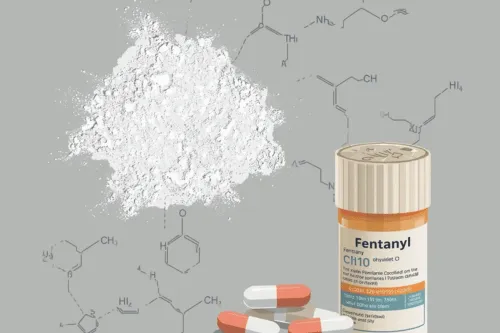
Understanding how long fentanyl stays in your system is important for anyone affected by fentanyl use, substance abuse, or the opioid epidemic. Many people ask this question because fentanyl is a powerful opioid with high potency, fast absorption, and a long detection window in the body. At Sullivan Recovery in Mission Viejo, we help each patient learn how fentanyl impacts the brain, body, and mental health while offering effective outpatient fentanyl addiction treatment that supports long-term recovery.
Fentanyl is a synthetic analgesic used to treat severe pain. It is stronger than morphine, which is why doctors prescribe it in controlled dose forms such as tablet, nasal spray, injection, and transdermal patch applications. Because of its strength, fentanyl binds to the opioid receptor quickly, and this binding slows natural metabolism, allowing the drug to stay in the body longer than many other opioids.
The body stores fentanyl in fat tissue due to its chemical structure. This increases the total amount of time it can remain active and detectable during a drug test. Factors like liver function, body weight, and use frequency all influence how long fentanyl stays in your system. These factors also play a role in the symptoms someone may experience during fentanyl addiction treatment at Sullivan Recovery.
The liver breaks down fentanyl before the body removes it through urine, sweat, or saliva. Slow liver function can extend the detection window and increase the chance of side effect problems such as nausea, diarrhea, insomnia, and anxiety. Many individuals experience shifts in blood pressure or other health changes because fentanyl affects the central nervous system and the brain’s opioid signaling.
Because fentanyl impacts both body and mental health, many people need therapy or coping support to manage symptoms linked to substance abuse or addiction. Sullivan Recovery offers outpatient programs that help patients stabilize health while they address emotional stress, cravings, and relapse risks associated with fentanyl.
The length of time fentanyl remains detectable varies by testing method. Each type of test has a different sensitivity based on the kind of sample collected.
A urine drug test is the most common method. It can detect fentanyl for 1 to 3 days after the last use. Heavy or frequent use may extend the detection window because fentanyl accumulates in fat cells. Urine testing is common in outpatient rehab settings, including fentanyl addiction treatment at Sullivan Recovery.
A blood test shows fentanyl for a shorter period, usually up to 12 hours. Blood testing is mainly used in emergency situations when a patient shows signs of overdose or other health complications. Hospitals may also use naloxone in these cases because it blocks the opioid receptor and helps reverse overdose effects.
Saliva and saliva testing can detect fentanyl for 1 to 2 days, but accuracy varies. Moisture levels in the nose and mouth, medication use, and individual metabolism may change results. This method is less common but may appear in some workplace testing programs.
Hair tests can detect fentanyl for up to 90 days. This is the longest detection window available for any drug test. However, it does not help with short-term monitoring because it takes weeks for fentanyl to appear in the hair strand.

Fentanyl attaches tightly to the opioid receptor, which slows down how fast the body can remove it. Its high potency increases the strain on the liver and reduces metabolism efficiency, especially for individuals with pre-existing health issues. The fat-soluble nature of fentanyl also plays a major role because the drug sits in fat tissue and is released over time.
These factors explain why people entering fentanyl addiction treatment may still test positive for several days. Sullivan Recovery provides structured outpatient therapy that helps each patient learn coping tools for cravings and withdrawal while monitoring physical health.
Different fentanyl products affect the body in different ways:
An injection reaches the bloodstream fast and increases overdose risk. It may be detectable for 12 hours in blood and up to several days in urine.
A nasal spray absorbs through the nose lining. Some patients feel its effects quickly, and the body may detect it for 1 to 2 days.
A transdermal patch releases medication through the skin slowly. This keeps fentanyl in the bloodstream longer, increasing the detection window.
A tablet dissolves in the mouth or stomach. It may stay detectable for multiple days depending on dose and frequency.
These differences matter when a patient enters fentanyl addiction treatment at Sullivan Recovery because the treatment team evaluates each form of exposure when building a recovery plan.

Fentanyl affects both mental and physical health. Many individuals experience nausea, diarrhea, changes in blood pressure, and shifts in sleep. Others develop insomnia, anxiety, and confusion due to how fentanyl interacts with the brain. These reactions may occur even after a short dose or when using fentanyl as a medication.
People with substance abuse concerns may feel stronger effects because fentanyl creates changes in brain chemistry. Over time, the body becomes dependent on fentanyl, increasing the risk of addiction, overdose, and health decline. Sullivan Recovery helps patients address these symptoms through outpatient therapy, mental health support, and optional medication management for cravings.
A person may begin to experience withdrawal even while fentanyl still appears in a drug test. Withdrawal may cause sweating, anxiety, insomnia, nausea, diarrhea, or increased pain sensitivity. These symptoms show that the body is removing fentanyl and resetting opioid receptor function.
Some patients benefit from medications like methadone, used to stabilize the opioid receptor and reduce withdrawal stress. Methadone does not remove fentanyl faster, but it helps the patient cope while the body’s metabolism adjusts.
Sullivan Recovery provides outpatient fentanyl addiction treatment that focuses on therapy, mental health care, coping skill development, and medical oversight. Treatment helps patients learn how long fentanyl stays in your system and why understanding detection times is useful during recovery.
Therapists guide patients through challenges linked to substance abuse and teach coping strategies that support stability. Some patients also receive naloxone training so they can respond to overdose emergencies involving opioids. Education about health, metabolism, and relapse prevention helps each person regain confidence.
Detection windows vary because of:
Understanding these factors helps patients and providers track progress during fentanyl addiction treatment. It also helps reduce confusion when drug test results do not match expectations.

The opioid epidemic continues to impact communities across California. Fentanyl plays a major role due to its strength, low cost, and high availability. Many individuals first use fentanyl as a medication for pain, while others encounter illegal versions mixed with other drugs.
Because fentanyl carries such high potency, people often feel overwhelmed by addiction. Sullivan Recovery supports patients through outpatient rehab that addresses both addiction and mental health needs. Patients learn how fentanyl affects the body, including how long fentanyl stays in your system, and build a healthier path forward.
If you or someone you love struggles with fentanyl use, withdrawal, or repeated positive drug tests, now is the time to act. Strong cravings, anxiety, insomnia, and health changes may signal dependence. Professional support helps reduce these risks and provides tools for long-term growth.
Sullivan Recovery in Mission Viejo offers fentanyl addiction treatment that fits real-life schedules. Our programs support therapy, coping skills, relapse prevention, and mental health stability.
Understanding how long fentanyl stays in your system helps you make safer choices, prepare for drug testing, and recognize the need for treatment. Fentanyl’s potency, metabolism rate, and storage in fat tissue all extend its detection window. These factors also increase addiction risk, especially during repeated or high-dose use.
Sullivan Recovery offers outpatient fentanyl addiction treatment designed to support health and recovery. If you or someone you care about needs help, reach out today and take the first step toward change.
1. Centers for Disease Control and Prevention (CDC) – Fentanyl Information
https://www.cdc.gov/overdose-prevention/about/fentanyl.html
2. National Institute on Drug Abuse (NIDA) – Fentanyl Drug Facts
https://nida.nih.gov/publications/drugfacts/fentanyl
3. U.S. Drug Enforcement Administration (DEA) – Fentanyl Fact Sheet
https://www.dea.gov/factsheets/fentanyl
4. Substance Abuse and Mental Health Services Administration (SAMHSA) – Opioid Overdose Prevention & Naloxone
https://www.samhsa.gov/substance-use/overdose-prevention
Dehydration can slow metabolism and may increase the time fentanyl stays in the body. This may extend urine or saliva detection windows. Staying hydrated supports normal liver function.
Yes. A transdermal patch releases fentanyl slowly through the skin, which may extend detection times. Many patients test positive longer after patch use compared to tablets or injections.
Exercise does not speed up fentanyl removal. Fentanyl breaks down in the liver at a fixed rate. Exercise may help overall health but does not change the drug test detection window.
Liver health, body fat levels, dose size, and frequency affect how long fentanyl stays in your system. Each patient has a unique metabolism. These differences explain why test results vary.