
Understanding fentanyl what is it used for is important for anyone who wants clear information about this powerful opioid. Fentanyl is a synthetic opioid medication that treats severe pain when other options fail. It can help patients in hospitals, but misuse can create serious health risks, overdose, and the need for quick medical action with naloxone. Knowing how fentanyl works helps people understand safe dose limits, legal use, and why so many emergency department visits are linked to this drug. At Sullivan Recovery, we help individuals who struggle with fentanyl misuse through structured outpatient treatment and safe recovery support.
Fentanyl is a strong opioid medication that changes how the brain responds to pain. Doctors prescribe it when a patient experiences severe pain that does not improve with standard medication. Hospitals use fentanyl in controlled doses during surgery, after surgery, or for advanced medical conditions.
Synthetic production makes fentanyl fast-acting and highly potent. It binds to opioid receptors quickly, which creates relief within minutes. Because of this increased strength, the risk of overdose grows when the dose is not carefully monitored.
Doctors use fentanyl during surgical procedures to manage pain and help stabilize a patient’s condition. The medication can be given through injection, which allows the dose to be controlled with precision. Hospitals also use fentanyl in the emergency department when a patient arrives with severe trauma.
Cancer patients may receive fentanyl to ease advanced pain symptoms. Some individuals use a fentanyl tablet or nasal spray under medical supervision. These forms act fast and help reduce breakthrough pain.
Fentanyl comes in several forms depending on the patient’s needs. An injection is common in hospitals because it works fast and allows for controlled dosing. A tablet or nasal spray is used when a patient needs relief outside surgical care.
Fentanyl patches release medication slowly throughout the day. This method supports long-term pain control for patients with chronic medical issues. Each form has strict guidelines to prevent increased risk of overdose.
Non-medical fentanyl misuse has increased over the past decade. Illicit fentanyl is often mixed into street drugs to increase potency, which leads to unpredictable dose levels. Many individuals do not know fentanyl is present, which raises overdose risks.
Overdose cases involving fentanyl now appear in nearly every emergency department nationwide. These visits often require quick naloxone use to reverse the effects. Even a small amount of fentanyl can shut down breathing within minutes.
A dose of fentanyl can relax the body and reduce pain fast. The drug lowers brain activity in areas related to pain signals. However, high doses slow breathing, which can cause life-threatening symptoms.
Fentanyl can cause dizziness, drowsiness, or confusion when the dose is too strong. Many overdose cases occur because street drugs include increased fentanyl levels. This creates unpredictable reactions that require emergency care.
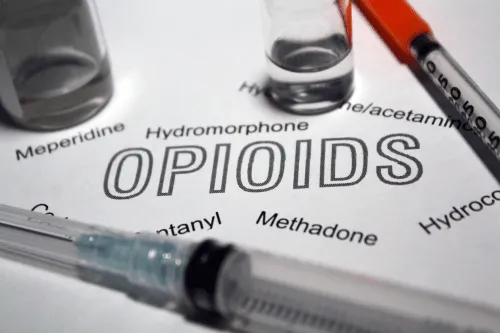
Naloxone is a medication that reverses the effects of fentanyl. It attaches to opioid receptors and blocks fentanyl from shutting down the body’s breathing. Emergency department staff use naloxone often because fentanyl overdoses have increased sharply.
Naloxone can be given as an injection or nasal spray. The nasal spray allows quick use outside a hospital, even by bystanders or family members. Multiple doses may be required when fentanyl levels are high.
Fentanyl misuse may cause sudden changes in behavior, mood, or physical health. People may appear extremely drowsy, confused, or unable to stay awake. Slow breathing is one of the most serious warning signs.
Other signs include pinpoint pupils, nausea, and weak coordination. Fentanyl misuse often leads to repeated emergency department visits. When these patterns appear, a structured treatment program is needed.
Illicit fentanyl is dangerous because it contains no controlled dose. Street products may contain increased concentrations that the individual cannot detect. This leads to overdose situations where naloxone is needed right away.
Many illicit drug markets sell fentanyl in powder, tablet, or nasal spray forms. These forms are unpredictable and often mixed with other substances. Users face a high risk of respiratory failure in minutes.
Fentanyl addiction develops fast because the opioid creates strong effects in the brain. The drug increases dopamine levels, which creates a short sense of relief and comfort. The brain begins to crave the medication when the dose wears off.
Repeated misuse changes how the body responds to pain and stress. Over time, a person may use fentanyl only to avoid withdrawal symptoms. This pattern requires medical support and structured outpatient rehab.

Medical fentanyl is produced in regulated environments with strict dose control. Hospitals use the drug with trained staff who monitor breathing and heart rate. This creates a safer setting for pain treatment.
Illicit fentanyl is made without safety standards. Users cannot track the dose, purity, or ingredients. This leads to increased overdose rates that often require emergency department treatment.
During a fentanyl overdose, breathing slows or stops. The person may lose consciousness and show no response to loud sounds or touch. Skin may turn pale or blue as oxygen levels drop.
Naloxone must be given quickly to reverse the opioid effects. After naloxone, emergency staff often provide oxygen support and monitor vital signs. Overdose survivors may need long-term addiction treatment.
Sullivan Recovery provides outpatient treatment for individuals struggling with fentanyl misuse. Our program helps people manage withdrawal symptoms and reduce cravings in a safe setting. Many clients choose outpatient rehab because it allows them to continue work, family life, and personal responsibilities.
We focus on therapy, medication support, and structured recovery planning. Our team understands how powerful fentanyl can be and guides each person through a clear recovery plan. We help clients regain control and rebuild daily routines.
Therapy helps individuals understand why fentanyl misuse began. Sessions focus on stress, emotional triggers, and behavior patterns that influence opioid use. Each client develops healthy coping strategies to reduce relapse risk.
Group therapy allows clients to share experiences and learn from others facing fentanyl addiction. This creates a supportive environment for long-term recovery. Sullivan Recovery uses simple, action-based treatment methods that build confidence.
Medication support can help clients stabilize during early recovery from fentanyl misuse. Doctors may use non-addictive medication to ease withdrawal symptoms or help reduce cravings. This method supports people who struggle with repeated fentanyl exposure.
Some individuals benefit from medication that blocks opioid effects. These drugs help prevent misuse and increase safety. Sullivan Recovery reviews each case to choose safe medication options.
Outpatient rehab works well for people who want structured support while living at home. This format helps clients maintain personal responsibilities, which reduces stress during recovery. Daily routines stay consistent, which improves long-term success.
Sullivan Recovery provides therapy, medication management, and check-ins that help clients stay focused. Our team monitors progress and adjusts treatment to match each person’s needs. Outpatient care creates a steady path toward sobriety without disruption.

Fentanyl withdrawal can begin within hours after the last dose. Symptoms may include anxiety, sweating, nausea, or muscle pain. These symptoms often feel intense because fentanyl is so strong.
Medical supervision can help reduce discomfort. A structured outpatient program provides support during the withdrawal phase. Many clients feel better when they know a trained team is available.
A strong relapse-prevention plan helps clients stay safe after rehab. This plan includes therapy, coping skills, and community support. Clients learn how to manage stress without using opioids.
Medication support may help reduce cravings in the early stages of recovery. Regular check-ins keep clients connected to treatment. Sullivan Recovery encourages long-term follow-up to protect progress.
Help is needed when fentanyl use causes physical or emotional harm. Frequent emergency department visits are a clear warning sign. Overdose symptoms show that a person is in serious danger.
Sullivan Recovery offers safe outpatient treatment for individuals in Mission Viejo and surrounding Orange County areas. Early help reduces long-term risks and improves quality of life. Recovery is possible with the right support and structure.
Understanding fentanyl what is it used for helps people recognize the benefits and dangers of this powerful opioid. Fentanyl can treat severe pain through injection, tablet, or nasal spray forms when used correctly. But misuse introduces increased risks, overdose, and the need for naloxone in many emergency department situations. Sullivan Recovery offers outpatient support for individuals who want a safe path away from fentanyl misuse, addiction, and daily dependence.
If you or someone you care about needs help, reach out to Sullivan Recovery today. Our team is ready to support a stronger, healthier future.
Yes. Fentanyl can be used at home in tablet or nasal spray form when prescribed for severe chronic pain. These prescriptions come with clear dose rules to prevent misuse.
Fentanyl can remain in the body for several hours, but drug tests may detect it longer. Detection time varies based on dose, frequency, metabolism, and overall health.
Yes. Fentanyl tolerance can develop fast because it is a potent opioid. Higher tolerance increases risk for overdose and often leads people to seek help through treatment programs.
Yes. Many individuals recover through structured outpatient rehab that includes therapy, medication support, and regular monitoring. Sullivan Recovery provides this care in Mission Viejo.